Laser Beast is my first commercial project. And somehow, it’s now over a year in the making. That wasn’t the plan.
It’s time to ship this game and I’m giving myself 3 months to do it. Here’s what happened, and here’s how I’m fixing it.
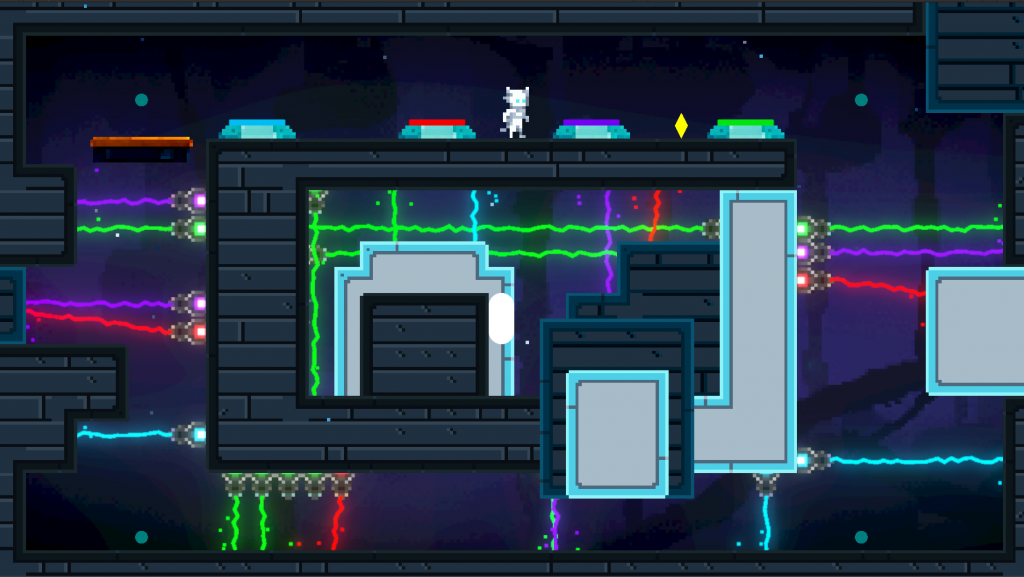
Four Months Is Enough to Forget Everything
Thanksgiving. A paid client project in December. The holidays. Then January hit and I got the flu, which turned into pneumonia. I didn’t get back to game development until March.
Four months sounds like a break. It’s not. It’s enough time to forget everything.
I remembered the systems, the concept, the feel of the game. What I lost was the detail. Which scripts handled what. How the components talked to each other. What was finished, what was half-built, what was broken. Coming back to the codebase was genuinely disorienting.
The immediate question was just: where do I even start? Do I start over? Spend a week going through every single script? Refactor everything?
I was overwhelmed at this point. I decided to do a small game jam to get back in the swing of game development. You can read that one here: Bigmode Game Jam 2026: Missed the Deadline, Built It Anyway.
Getting Back on Track
What ended up getting me back on track was using Claude as a senior developer reviewing the project, helping me understand what I’d built and what still needed to exist.
I broke it into stages. A high-level conversation first about what the full game needed to be, written out as a technical design document. Then I cross-referenced that against my existing scripts to figure out what was solid, what was broken, and what needed to be rebuilt from scratch.
It felt like overkill, but actually it wasn’t. In a couple of evenings, I had a clear picture of where I stood. I’ll go deeper on the TDD and system registry process in a future post. For now, what matters is that it worked.
Where Laser Beast Actually Stands
The foundation is solid. Player movement, laser system, event bus, settings, audio, camera, death and respawn loop. Most of the core gameplay systems are built and functional. Before I move forward though, there are a few things that need to be cleaned up first.
Known issues to fix:
- Memory leaks in the event subscription system
- A handler mismatch in the pause menu
- Some expensive scene lookups that need to be cached
- A few systems I want to spend time refactoring to make properly extensible, so I can reuse them across future projects
Once those are addressed, there are still several systems that need to be built from scratch.
Systems still to build:
- SaveManager: the most important missing piece. Almost everything else depends on it.
- ProgressionManager: level and world unlock logic
- GameBootstrapper: makes sure persistent managers always load correctly
- Collectible system
- Overworld map
- Level complete screen
- Full Steam integration including achievements
The core loop works. What remains is infrastructure and content.
The Three-Month Sprint to Launch
The target is end of Q2, beginning of Q3 2026. That’s aggressive. I know that going in.
60 levels across 5 worlds is the goal. I’m not naive about whether that number is fully realistic, but I need a deadline or this game will never ship. Without a target, I’ll iterate indefinitely. The deadline exists to keep me moving, not to guarantee a specific number.
Here’s how the next three months break down.
April: Full focus on programming. Clearing known issues and getting every remaining system built and ready for playtesting. Programming is where I’m strongest, so the goal is to get this side of development as finished as possible before shifting focus.
May: Playtesting, bug fixes, polish, and balance. Heavy level design push to build out the remaining worlds. Art and audio updates running in parallel.
June: Final bug fixes, last-minute polish, and the Steam side of things. Store page, achievements, Steamworks integration. Some of this will start earlier if wishlists are a priority.
That’s the plan. The levels are the real variable. Code I can schedule. Sixty levels of genuinely good precision platformer design is harder to predict. But I’d rather have a target and miss it slightly than float indefinitely.
Coming back to an untouched project is rough. But the code is solid, the plan is in place, and the only thing left to do is ship it. Check back at the beginning of May for the first playtesting update.
Keep up to date with all the latest developments on the official Laser Beast page.
0 Comments